Second marriages are more common in the lives of seniors these days. Many seniors who remarry have enjoyed a life of love with a previous spouse whom passes away, and later discover love with someone new. Although they often feel like they’ve lost the love of their life, remarrying as a senior can be exhilarating for these later years.
Caught up among the excitement newfound love can bring are some of life’s most serious decisions, and evermore so for remarrying seniors. Many seniors choose not to plan when remarrying, causing unforeseen challenges for their loved ones. This also has the potential to break close relationships with others and cause infighting among other family members.
Longer lifespans are accredited for the increasing numbers in remarrying seniors. And, as the years go on, this will probably have many marrying for the first time later in life, in increasingly blended ways. Questions about what to do with a lifetime of accumulated and still accumulating assets are ones that couples don’t have to consider when they're young. However, these are decisions almost all seniors must make when remarrying. With 50% of seniors remarrying, these are questions elder law attorneys are starting to hear more and more, from existing and new clients. Meeting with an elder law attorney, can let you and your new spouse know what your options are.
Prenuptial Agreements
The biggest consideration for seniors remarrying is the prenuptial agreement. Whereas fictional stories in print and Hollywood often outline prenuptial worst-case scenarios and intentions, prenuptial agreements are the norm for seniors remarrying, and they often deliver the best protection for both spouses. Open communication is the most important factor when agreeing to a prenuptial agreement. Typically, each spouse has children or family whom they desire to maintain as beneficiaries on bank accounts, stocks and other assets. This may be important, so the first to pass away doesn’t unknowingly and completely disinherit their children.
For those with investments and real estate, trusts are important vehicles to keep finances where they are desired to be for seniors and their beneficiaries. If remarrying seniors pool their finances together, they can be even more vital to keeping everyone’s desires satisfied. Whether it comes down to a prenuptial agreement, a trust, or a combination of the two, it is most important both partners understand the full picture of their plans for one another and those they love.
A Lifetime of Assets
Pooling assets together and putting another name on a title can seem like intuitive decisions when remarrying. But these decisions often have better alternatives that can prevent the likelihood of disinheriting loved ones and hoping blended families can “work it out” after you pass away. Assets often have limitations with who and how many beneficiaries can be designated, and titling often has predetermined legalities that differ from state to state. Newlyweds should prepare for protecting their children and their spouse at the same time and, there is really no way of doing so without creating a trust.
Taxes, Medicaid & Pension Considerations
Consequences of dying intestate or even with a will that assures going through probate and adds to the complexity of decisions to make when remarrying as a senior. Well, you can add taxes, Medicaid and pension considerations to the list, because higher earnings levels may bump a couple up to a higher tax bracket, change Social Security benefits and even disqualify you from a pension and Medicaid. Elder law attorneys with financial planning experience are vital in understanding your full range of options surrounding these scenarios. This will ensure you are best prepared when the IRS wants to collect or another institution is ready to change their terms of service.
Trusts
Trusts give trustors (that’s you and your spouse) the most flexibility and planning options. Amending wills, life insurance, investments and property can be cumbersome and evenly separating them out among beneficiaries is nearly impossible. Creating a trust allows benefactors the ability to distribute exactly how and when they desire. This is important to ensure a new spouse is well cared for even after the other passes.
Conclusion
The sum of these relationships is different for everyone. Falling in love with someone new always impacts the others we love. These relationships may grow positively, or they may not. Remaining loyal to a new spouse might mean it is too difficult to maintain all the relationships we once had and enjoyed. While this is not necessarily estate planning legalese, it’s often a new reality after remarrying later in life. It is important to plan for these changes, and not to let them keep you from making the important estate planning decisions necessary when remarrying as a senior. Planning ahead can also keep you from making knee jerk decisions with your planning during emotional times. The benefits of finding love as a senior can bring an exuberance of excitement and joy into or lives. Don’t let this decision result in unintended consequences for yourself and others. Make sure your most heartfelt desires are carried out for you and those you love for the rest of their lives.
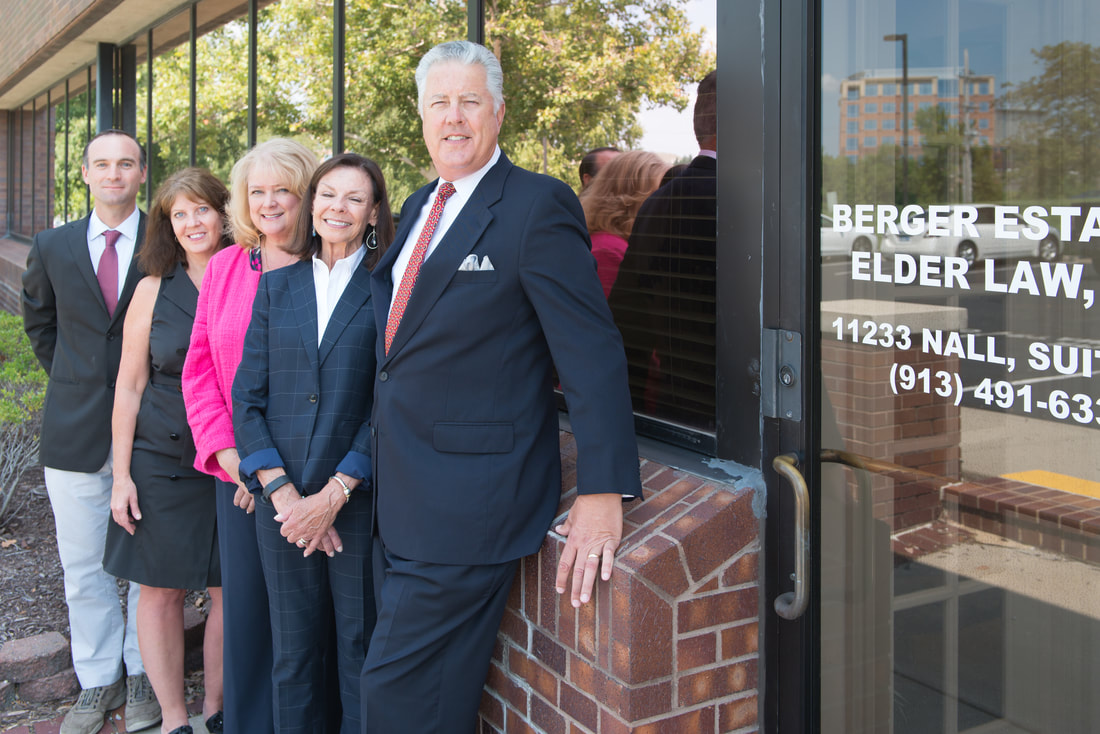
If you want to ensure that you make the right decisions for your own family when considering life and estate planning decisions, feel free to sit down and talk with us for a free consultation by calling (913) 491-6332, visit our website berger-lawfirm.com or stop by our conveniently located office at 11233 Nall, Suite 140 Leawood, KS 66211 for more information. Berger Estate & Elder Law P.A. has been providing our clients with Trusted Counsel and Proactive Solutions for over 30 years, and we look forward to many more!
Caught up among the excitement newfound love can bring are some of life’s most serious decisions, and evermore so for remarrying seniors. Many seniors choose not to plan when remarrying, causing unforeseen challenges for their loved ones. This also has the potential to break close relationships with others and cause infighting among other family members.
Longer lifespans are accredited for the increasing numbers in remarrying seniors. And, as the years go on, this will probably have many marrying for the first time later in life, in increasingly blended ways. Questions about what to do with a lifetime of accumulated and still accumulating assets are ones that couples don’t have to consider when they're young. However, these are decisions almost all seniors must make when remarrying. With 50% of seniors remarrying, these are questions elder law attorneys are starting to hear more and more, from existing and new clients. Meeting with an elder law attorney, can let you and your new spouse know what your options are.
Prenuptial Agreements
The biggest consideration for seniors remarrying is the prenuptial agreement. Whereas fictional stories in print and Hollywood often outline prenuptial worst-case scenarios and intentions, prenuptial agreements are the norm for seniors remarrying, and they often deliver the best protection for both spouses. Open communication is the most important factor when agreeing to a prenuptial agreement. Typically, each spouse has children or family whom they desire to maintain as beneficiaries on bank accounts, stocks and other assets. This may be important, so the first to pass away doesn’t unknowingly and completely disinherit their children.
For those with investments and real estate, trusts are important vehicles to keep finances where they are desired to be for seniors and their beneficiaries. If remarrying seniors pool their finances together, they can be even more vital to keeping everyone’s desires satisfied. Whether it comes down to a prenuptial agreement, a trust, or a combination of the two, it is most important both partners understand the full picture of their plans for one another and those they love.
A Lifetime of Assets
Pooling assets together and putting another name on a title can seem like intuitive decisions when remarrying. But these decisions often have better alternatives that can prevent the likelihood of disinheriting loved ones and hoping blended families can “work it out” after you pass away. Assets often have limitations with who and how many beneficiaries can be designated, and titling often has predetermined legalities that differ from state to state. Newlyweds should prepare for protecting their children and their spouse at the same time and, there is really no way of doing so without creating a trust.
Taxes, Medicaid & Pension Considerations
Consequences of dying intestate or even with a will that assures going through probate and adds to the complexity of decisions to make when remarrying as a senior. Well, you can add taxes, Medicaid and pension considerations to the list, because higher earnings levels may bump a couple up to a higher tax bracket, change Social Security benefits and even disqualify you from a pension and Medicaid. Elder law attorneys with financial planning experience are vital in understanding your full range of options surrounding these scenarios. This will ensure you are best prepared when the IRS wants to collect or another institution is ready to change their terms of service.
Trusts
Trusts give trustors (that’s you and your spouse) the most flexibility and planning options. Amending wills, life insurance, investments and property can be cumbersome and evenly separating them out among beneficiaries is nearly impossible. Creating a trust allows benefactors the ability to distribute exactly how and when they desire. This is important to ensure a new spouse is well cared for even after the other passes.
Conclusion
The sum of these relationships is different for everyone. Falling in love with someone new always impacts the others we love. These relationships may grow positively, or they may not. Remaining loyal to a new spouse might mean it is too difficult to maintain all the relationships we once had and enjoyed. While this is not necessarily estate planning legalese, it’s often a new reality after remarrying later in life. It is important to plan for these changes, and not to let them keep you from making the important estate planning decisions necessary when remarrying as a senior. Planning ahead can also keep you from making knee jerk decisions with your planning during emotional times. The benefits of finding love as a senior can bring an exuberance of excitement and joy into or lives. Don’t let this decision result in unintended consequences for yourself and others. Make sure your most heartfelt desires are carried out for you and those you love for the rest of their lives.
If you want to ensure that you make the right decisions for your own family when considering life and estate planning decisions, feel free to sit down and talk with us for a free consultation by calling (913) 491-6332, visit our website berger-lawfirm.com or stop by our conveniently located office at 11233 Nall, Suite 140 Leawood, KS 66211 for more information. Berger Estate & Elder Law P.A. has been providing our clients with Trusted Counsel and Proactive Solutions for over 30 years, and we look forward to many more!